Flush doors
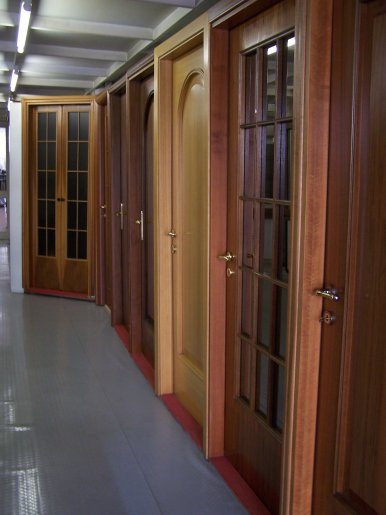
The original use and still the most common: the honeycomb core fills the space between the two skins of the door, stiffens it and keeps it from warping. It applies to interior doors and entrance doors alike.
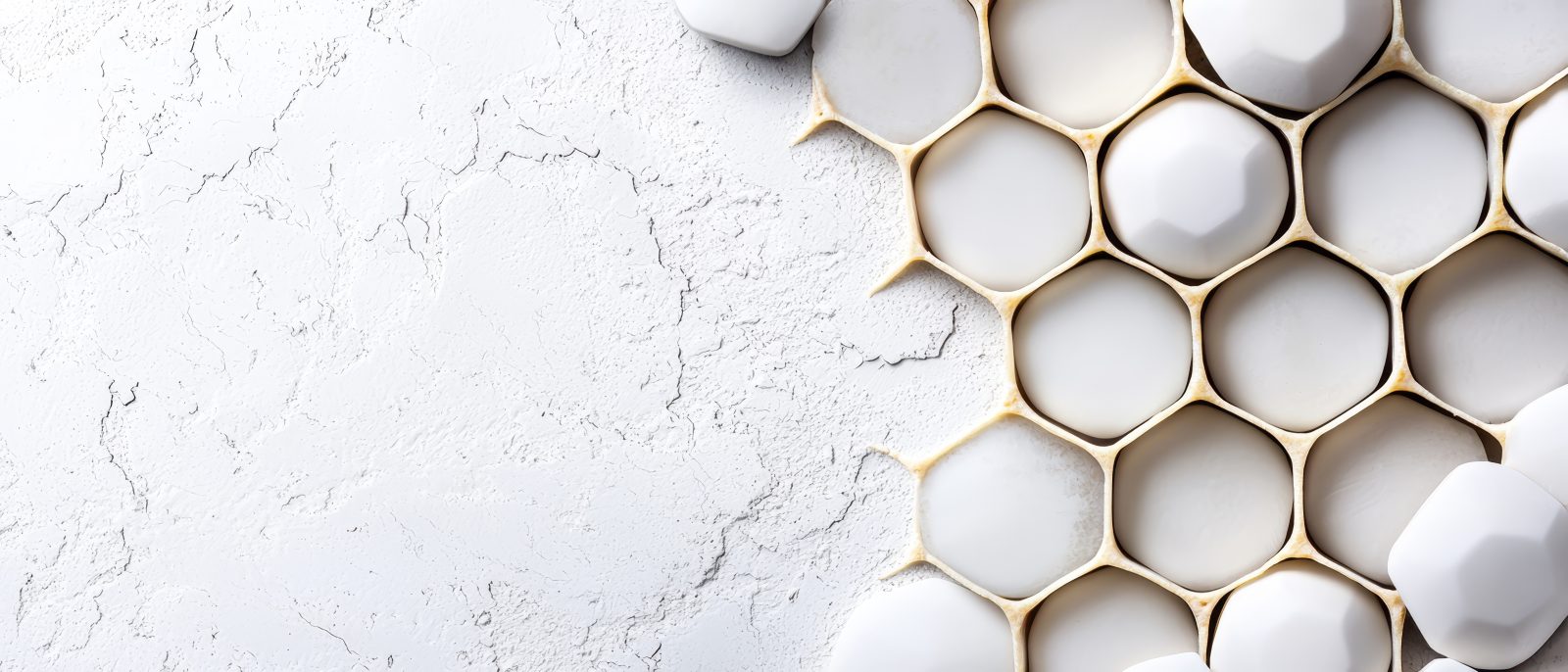
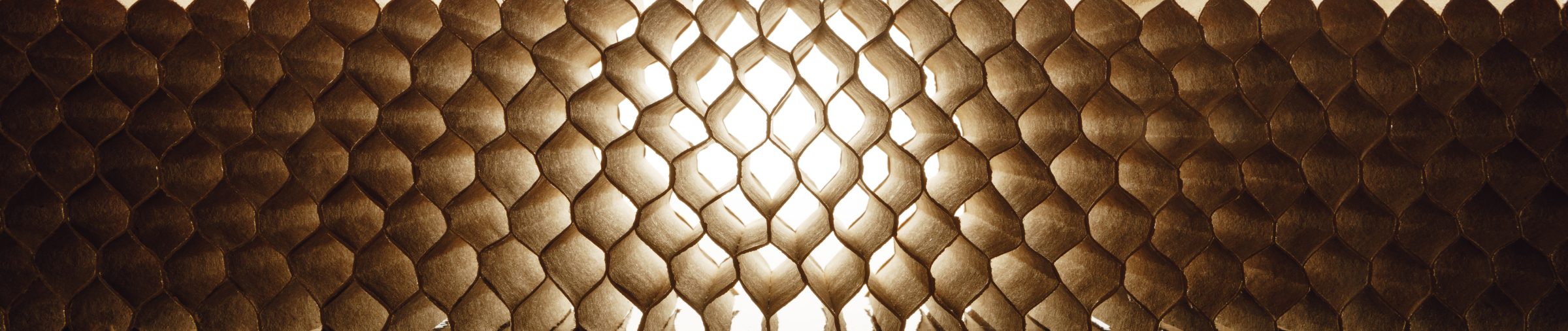
Whenever a surface has to be large, rigid and light, there is almost always a honeycomb underneath.
The original use and still the most common: the honeycomb core fills the space between the two skins of the door, stiffens it and keeps it from warping. It applies to interior doors and entrance doors alike.
Sides, tops, doors and large-format shelving: where a solid panel would be unmanageable in weight and cost, a honeycomb core gives the same rigidity at a fraction of the mass.
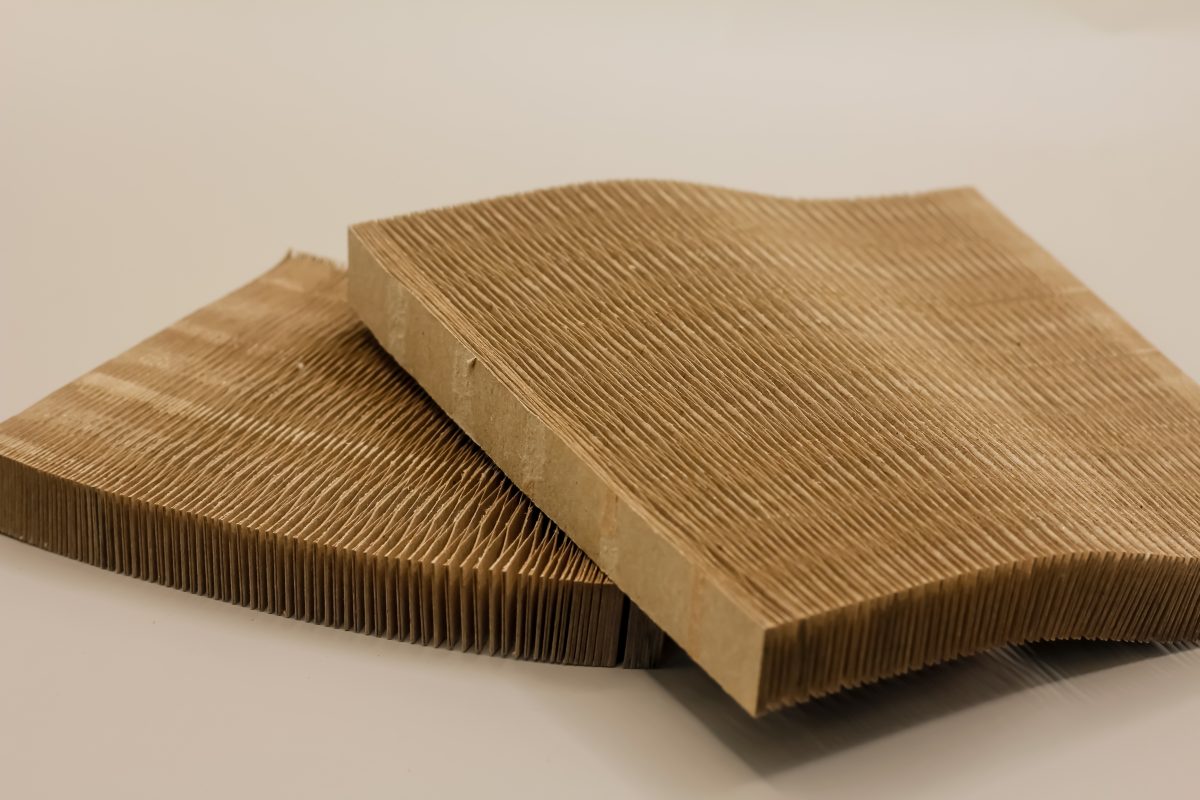
Trade fair stands, partitions, graphic panels and displays: light to build and strike, rigid enough, and at the end of the show they go out with the paper.
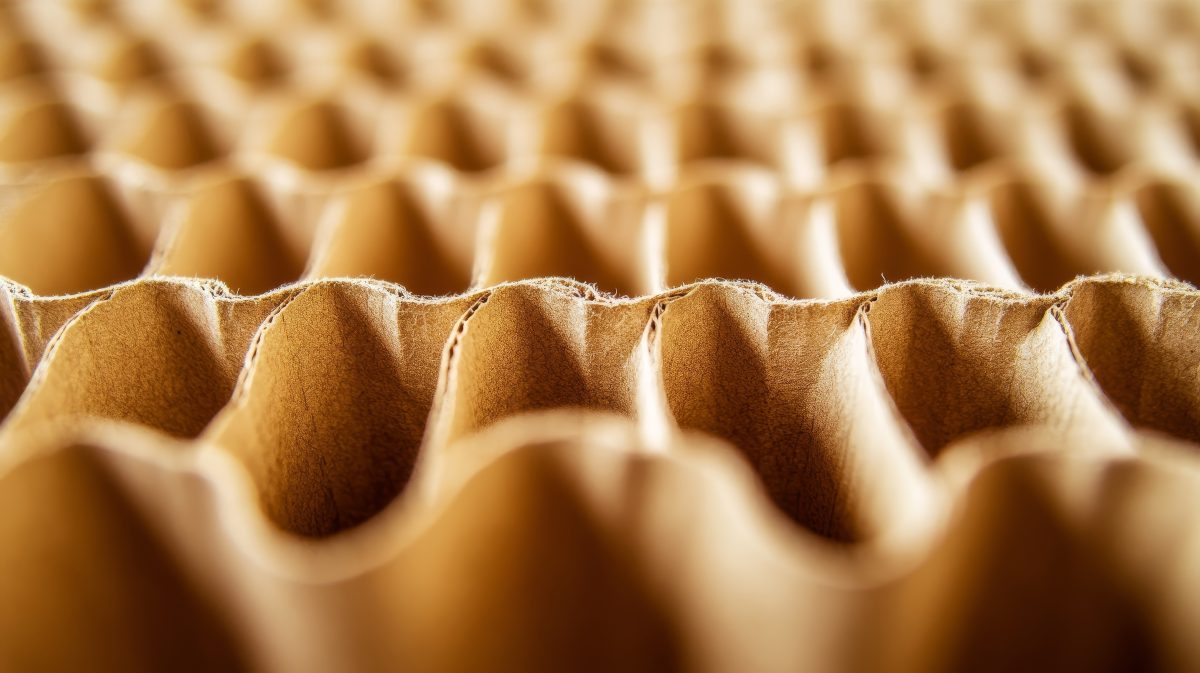
Panels for suspended ceilings, partitions and finishes, including spaces where reverberation has to be kept down: the cell structure works well on sound.

Spacers, edge protectors, void fill and transit protection: they absorb impact and, on arrival, follow the same route as the cardboard.
Walls and floors of interior fit-outs, where every kilogram saved is payload gained. A sector that came looking for us first, and keeps growing.
Tell us the panel you need — paper weight, cell size, format — and we will come back with a proposal. If you are not sure yet, we will work it out together.
Contact